 01
01Inventory verification
Use RFID handhelds to verify eligible tagged merchandise across the sales floor and stockroom more efficiently than individual line-of-sight scanning.
Explore inventory verification Canada
 USA
USA
 UAE
UAE
 India
India
 UK
UK
Manage store technology, fixtures, operational equipment and eligible tagged inventory across retail chains, franchises, stockrooms and multi-location store networks.
 Inventory verificationInventory variance analysisStore equipment managementTag read01
Use RFID handhelds to verify eligible tagged merchandise across the sales floor and stockroom more efficiently than individual line-of-sight scanning.
Explore inventory verification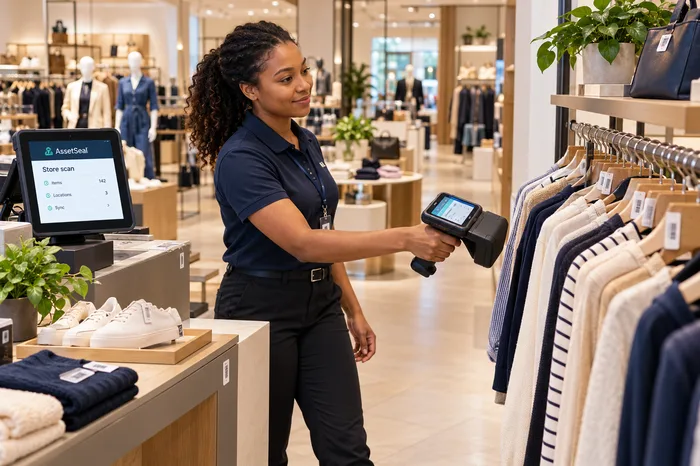 02
02Compare repeated physical counts against expected records to identify recurring inventory variances by store, category or location.
Explore variance analysis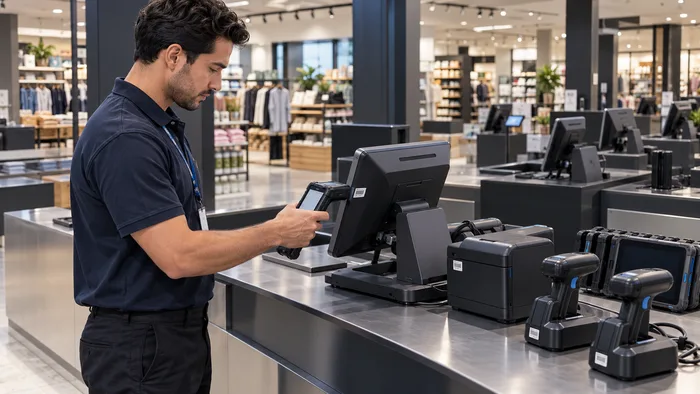 03
03Maintain an accountable register of POS terminals, scanners, tablets, printers, displays, fixtures and other operational store assets.
Explore store asset management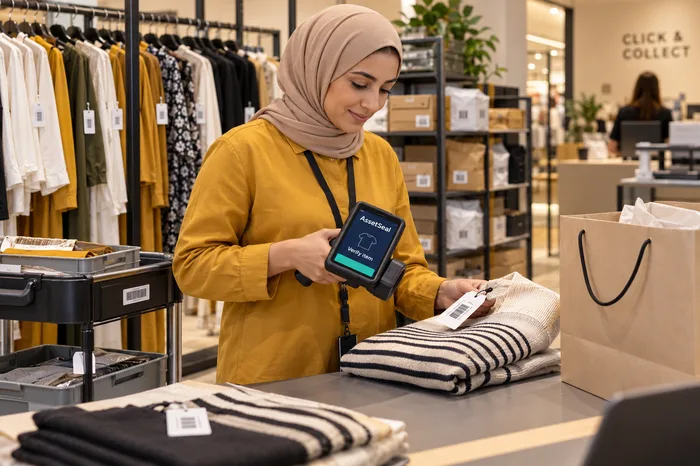
Inventory records can drift from what is physically available on the sales floor or in the stockroom, affecting replenishment and fulfilment decisions.
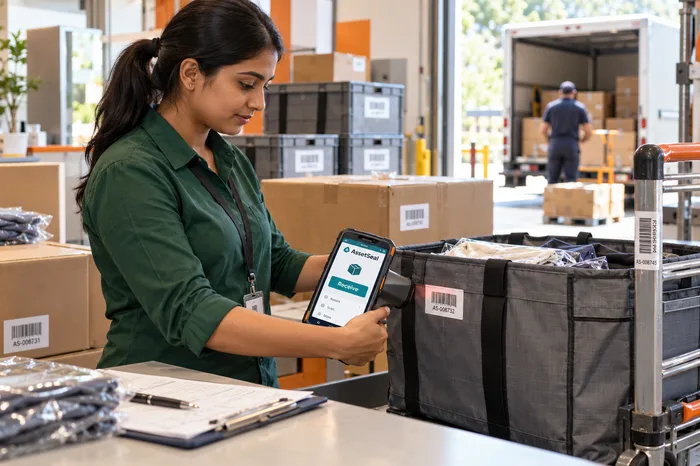
Manual counts require significant time and can disrupt store operations, limiting how often teams verify physical inventory.
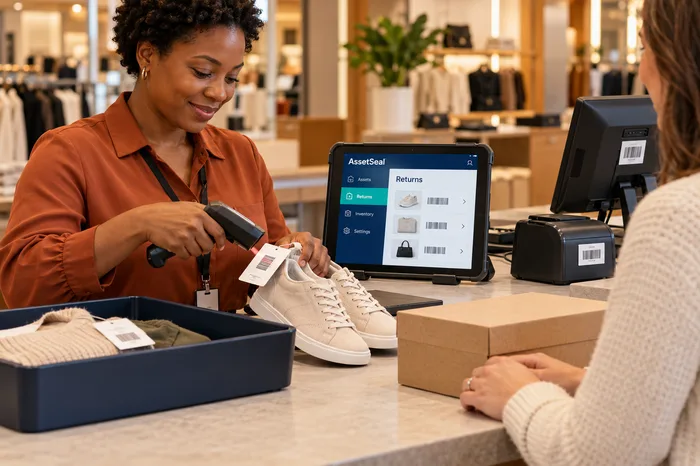
Loss and unexplained variance may only become visible during periodic counts, making patterns across stores, categories and locations difficult to investigate.
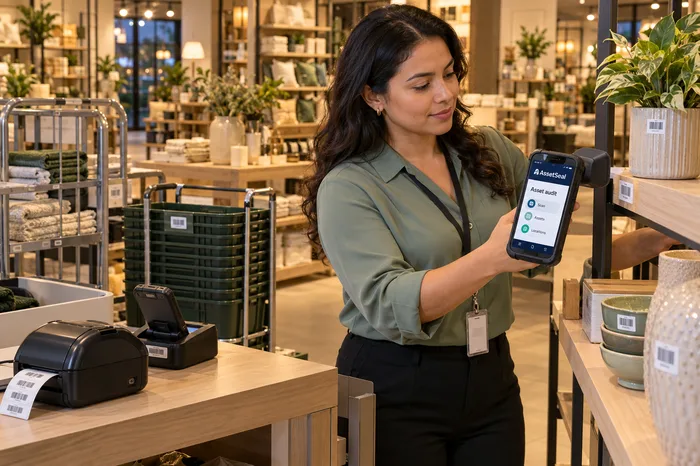
POS terminals, scanners, tablets, printers, displays and fixtures can move between locations without a central record of assignment, condition and custody.
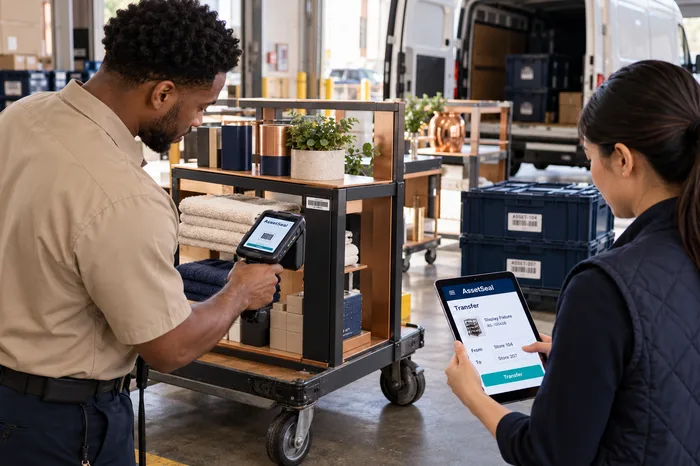
Read multiple eligible RFID-tagged items during sales-floor and stockroom sweeps without scanning each label individually.
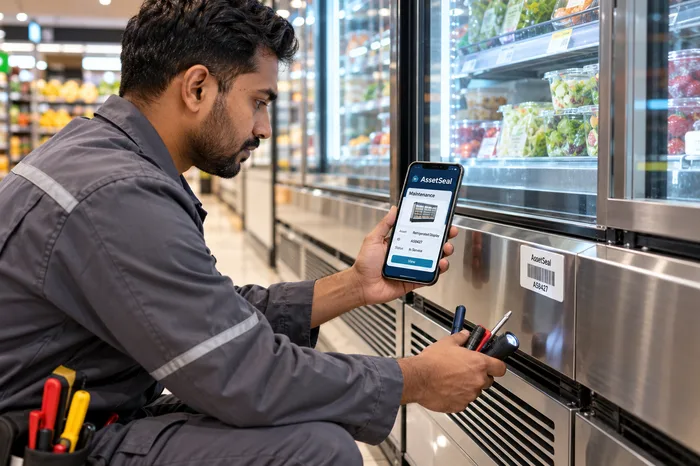
Provide retail teams with more current physical-verification data to support click-and-collect, ship-from-store and replenishment decisions.
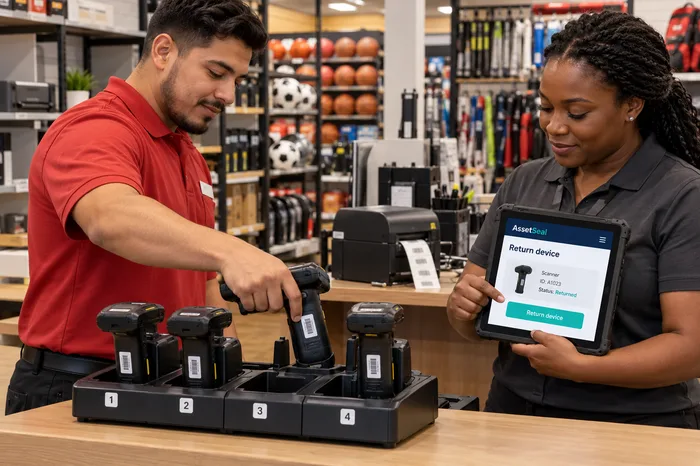
Compare repeated count results across stores, categories and locations to identify recurring variances that require investigation.
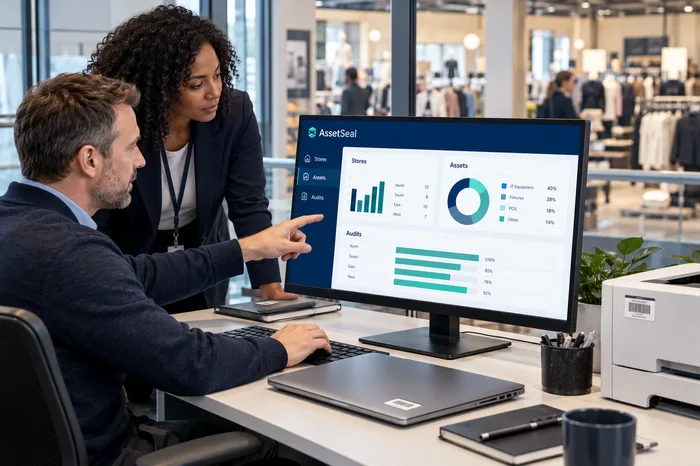
Manage POS terminals, scanners, tablets, label printers, displays, fixtures and other store assets with location, assignment, condition, warranty and activity history.
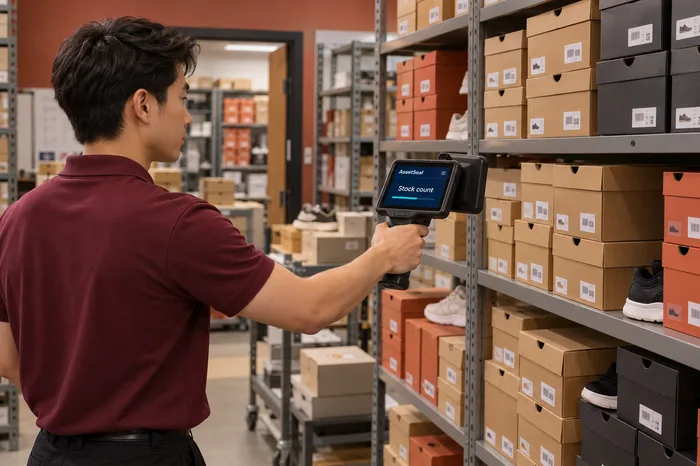
Compare recorded sales-floor and stockroom quantities to help teams identify items that may require replenishment.
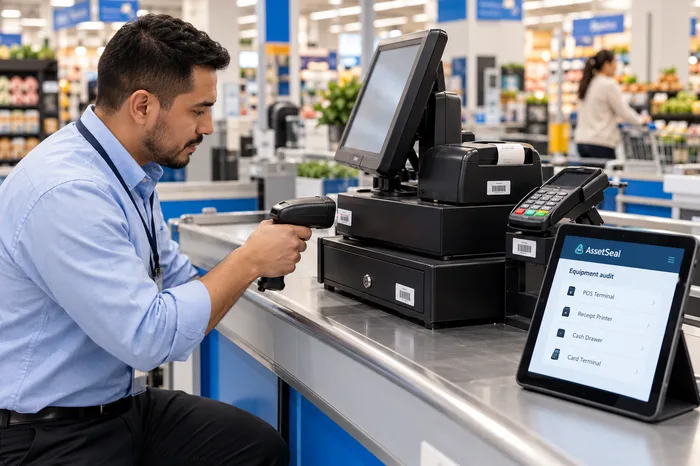
Review inventory-verification results, asset status and operational exceptions across stores, regions, franchise groups and other authorized business units.
Review store assets, the latest recorded locations, assignments, status changes and eligible inventory-verification results across authorized locations.
Illustrative interface. Available information depends on configuration and connected data sources.
Assign barcode, RFID or supported NFC identification to store equipment and eligible inventory according to the asset and workflow.
Use mobile devices or RFID handhelds to verify store assets and eligible tagged inventory across sales floors, stockrooms and operational areas.
Compare captured assets and count results against expected store, merchandising or asset-register information to identify discrepancies.
Route inventory, replenishment, investigation or store-equipment exceptions to the responsible retail team for follow-up.
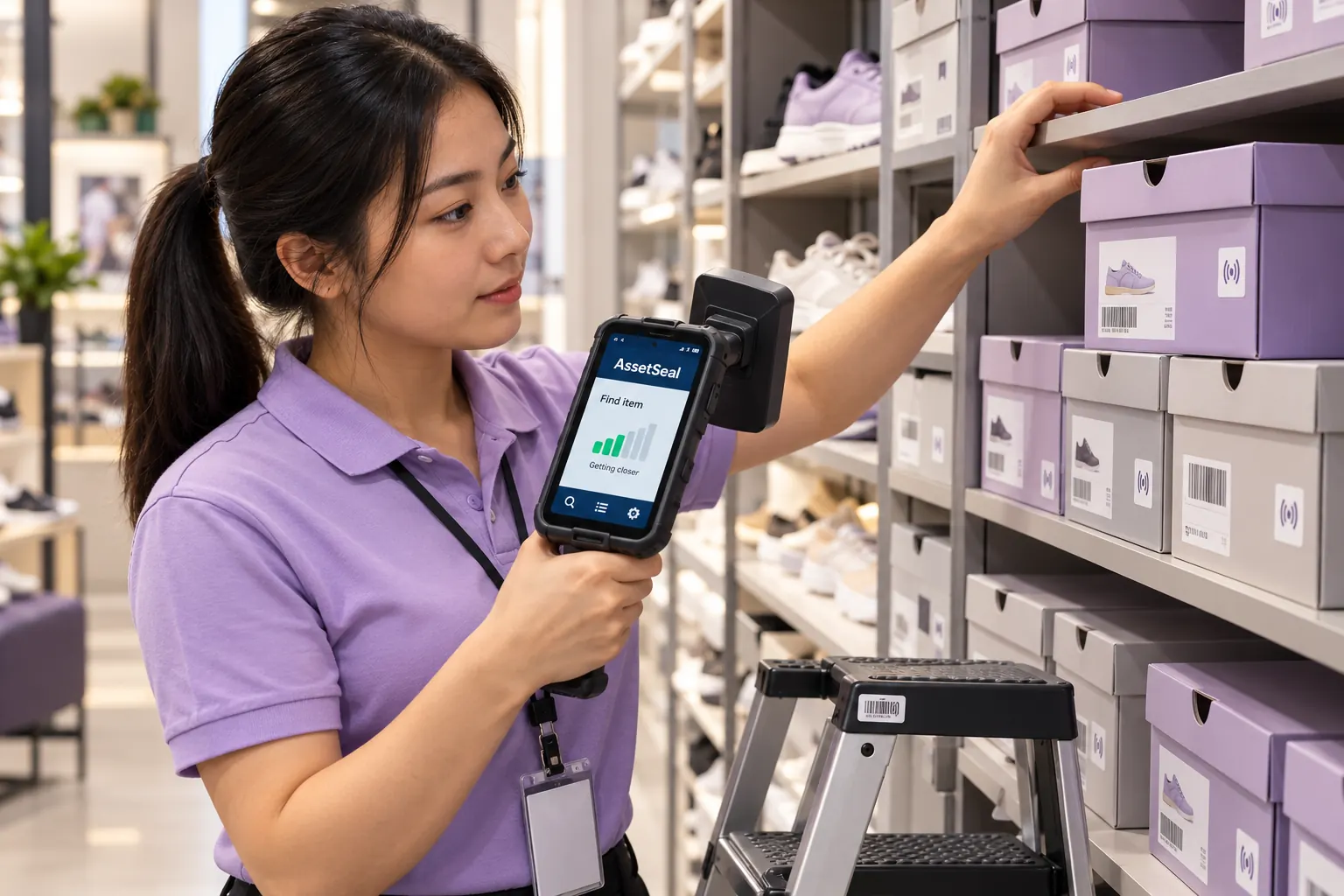
More dependable inventory verificationGive retail teams more current physical-count information for operational and fulfilment decisions.
More practical counting schedulesRFID can make frequent verification more manageable for eligible tagged inventory.
Earlier visibility into inventory varianceCompare repeated counts to identify stores, categories or locations that require investigation.
Clearer store-equipment accountabilityMaintain location, assignment, condition and movement records for store technology and operational assets.
Review inventory-verification results and the latest recorded status of equipment and other store assets.
Maintain accountability for POS terminals, scanners, tablets, printers and other retail technology across locations.
Retrieve time-stamped location, assignment and status history for reconciliation and audit preparation.
Compare asset and inventory-verification information across stores, regions and franchise groups.
AssetSeal supports APIs and structured imports and exports for approved integration requirements. Compatibility and automation depend on the target POS, ERP, merchandising or inventory system and the agreed scope.
Read eligible RFID-tagged inventory and assets across sales-floor and stockroom areas.
View hardwareScan individual assets, record transfers and complete supported retail workflows from a compatible mobile device.
View hardwareCapture eligible tagged items at configured counters or transition points where fixed RFID infrastructure is justified.
View hardwareNo. Item-level RFID inventory verification requires the relevant products to carry compatible RFID tags, but retailers can begin with selected categories, high-value merchandise or store equipment. Barcode can remain in use for other assets and workflows.
The schedule should reflect inventory volume, operating model, product value and accuracy requirements. RFID can make more frequent verification practical for eligible tagged merchandise because multiple tags can be read without individual line-of-sight scanning.
Yes. Locations can be organized by business unit, region, ownership or franchise group. Role-based permissions can allow head office to review the wider network while franchise teams access only their authorized locations.
Yes. POS terminals, scanners, tablets, printers and other retail technology can be registered with their location, assignment, condition, status, warranty and activity history.
No. AssetSeal adds asset identification, physical verification, location, custody and activity records. It can complement existing retail systems through approved APIs or structured data exchange, depending on integration scope.
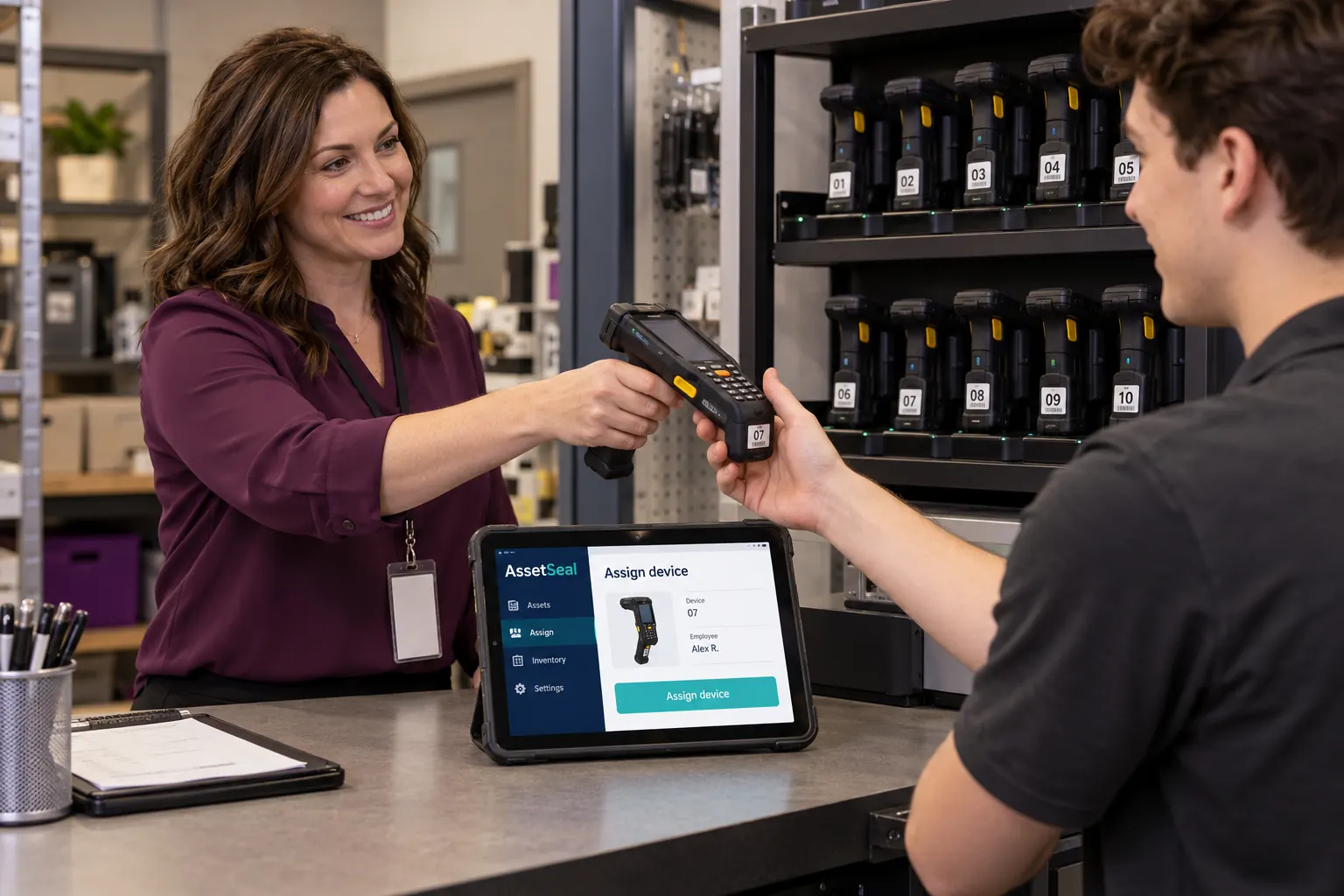
Tell us how store technology, fixtures, operational assets and eligible inventory move across your locations. We will demonstrate how AssetSeal can support your asset register, inventory verification, transfers and multi-store reporting.
